
A Lifetime of Bleeding: What I Wish I Had Known
By Christina Timleck
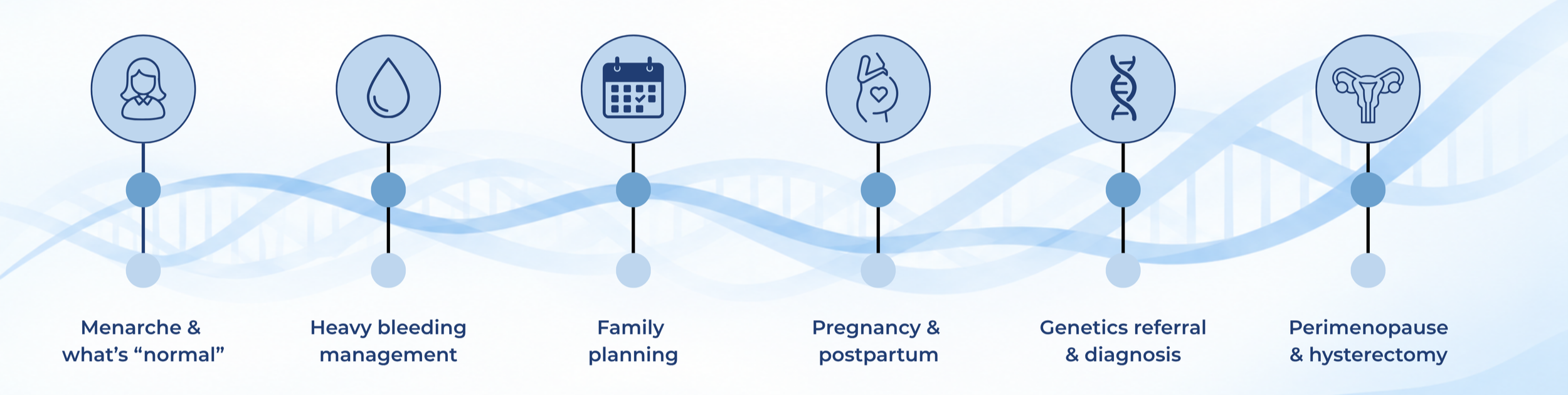
For nearly 30 years, heavy menstrual bleeding shaped my life. It influenced the treatments I took, the questions I asked about starting a family, the plans I made for childbirth, and eventually my decision to have a hysterectomy.
For much of that time, I did not understand why I was bleeding so heavily or that an inherited condition was at the root of it.
No One Had Told Me What Normal Looked Like
When I was 14, I was living with my dad and brother. As I began navigating periods, I didn’t really have a frame of reference for what was considered normal, so I simply accepted that the heavy bleeding I was experiencing was the same for other women.
After a few months, one of my periods lasted about 16 days and became extremely heavy. I eventually called my mom, who took me to our family doctor. The doctor ordered urgent bloodwork and, as soon as the results came back, she told my mom to take me directly to the emergency room.
My hemoglobin, the protein in red blood cells that carries oxygen throughout the body, was 46 (the typical range for a 14-year-old girl is about 120 to 160). At that level, my body was not getting the oxygen it needed. I received four units of blood and spent five days in the hospital.
Fifteen Years Without an Answer
During that first hospitalization, I began taking birth control, which reduced the bleeding enough to stabilize my periods, although they still lasted seven to ten days. I was also prescribed tranexamic acid for cycles that were not controlled by birth control.
I underwent repeated bleeding-time tests, each lasting more than 20 minutes and leaving scars along my forearms.
Over the next 15 years, I had many hematology visits and tried different medications. Throughout that time, I wore a medical alert bracelet that simply said “prolonged bleeding time.”
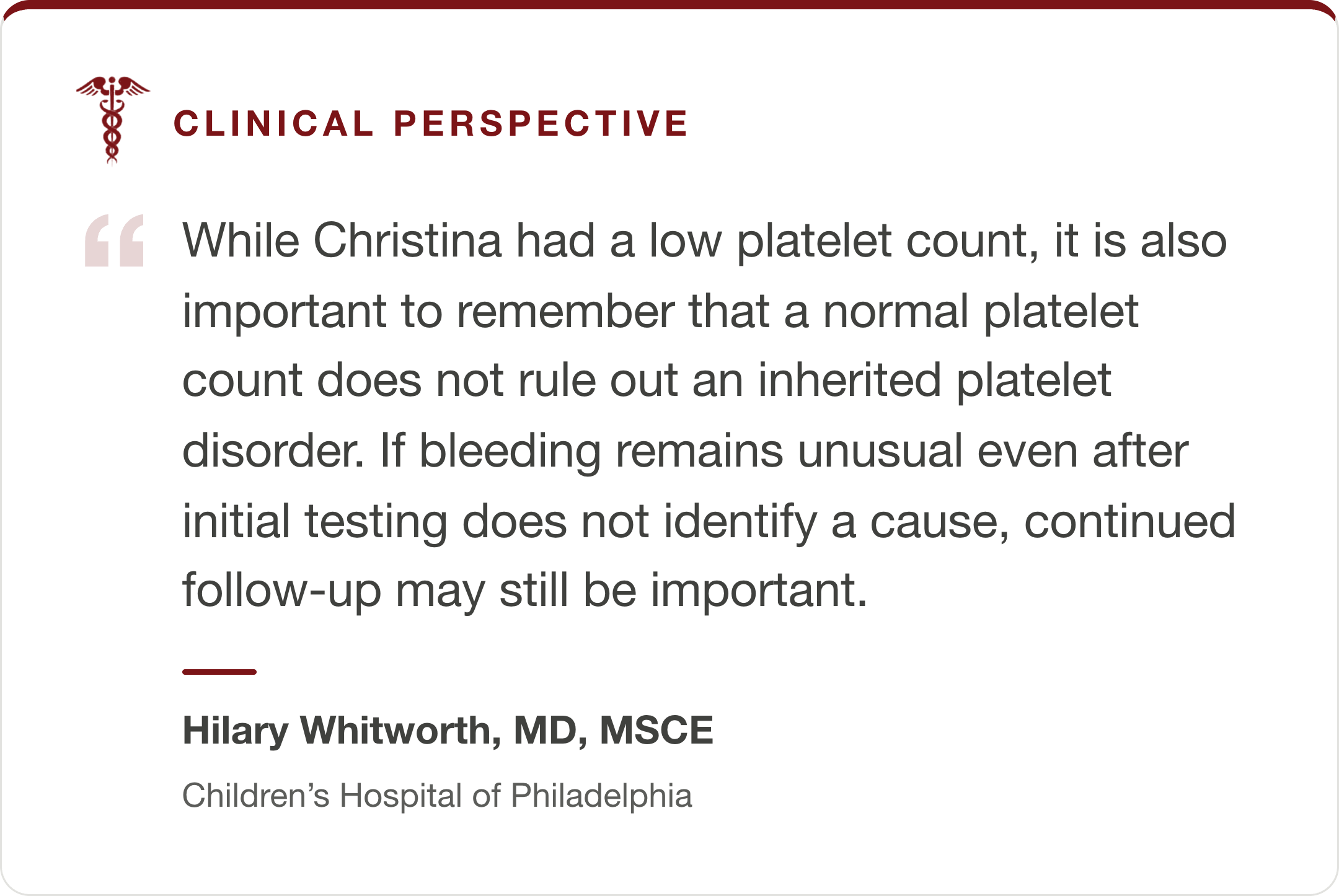
At 29, I was finally diagnosed with delta storage pool disorder. Having an answer was an enormous relief. What I still did not know was that an inherited RUNX1 deletion was connected to my bleeding disorder or that it could have implications for my future children.
Starting a Family Without the Full Picture
At 30, my partner and I wanted to start a family. I stopped taking the birth control that had helped manage my bleeding and relied on tranexamic acid alone. My periods came about every three weeks, lasted seven to ten days, and remained very heavy.
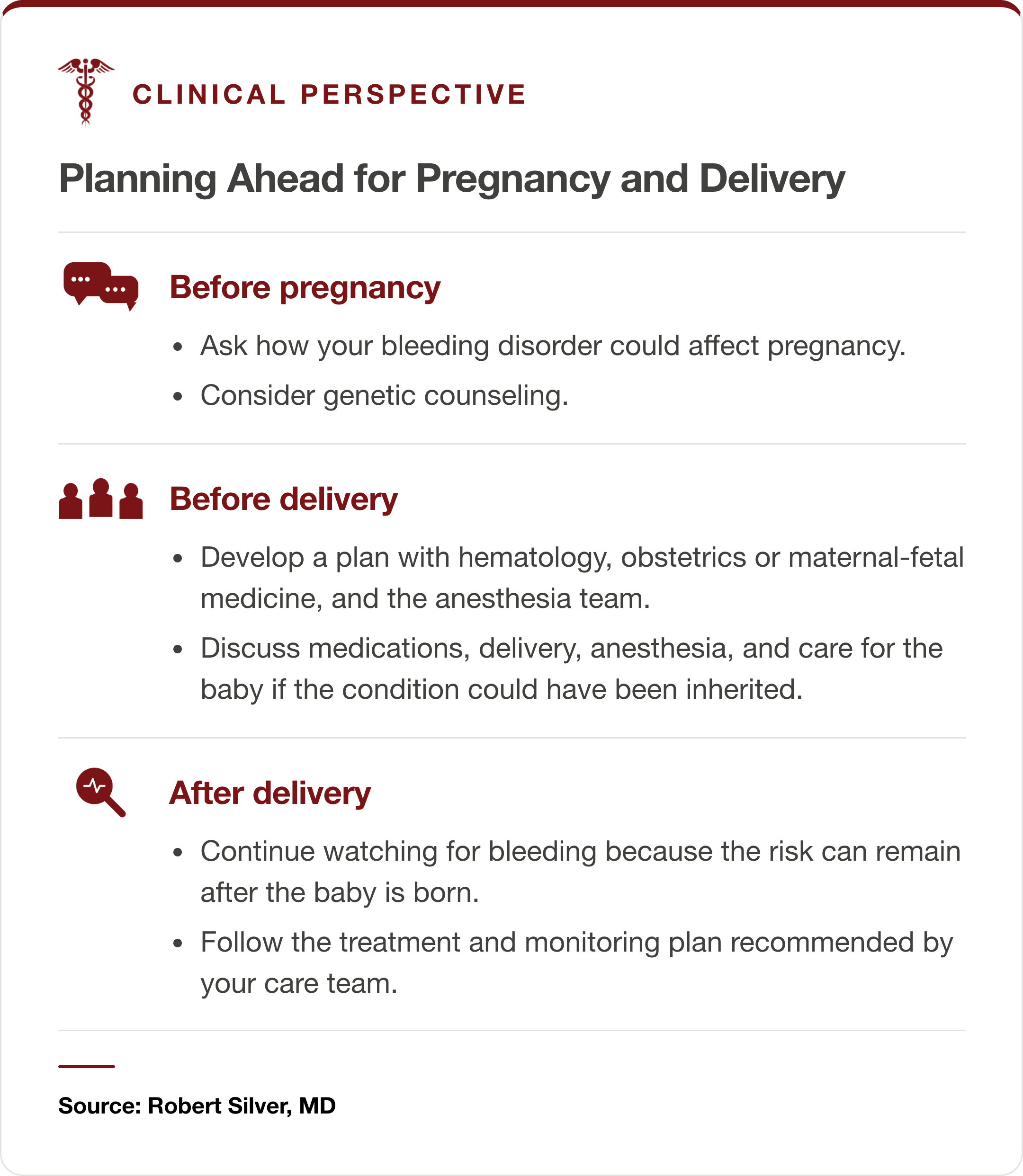
When I was pregnant with my first son, my care team developed a treatment plan for delivery that included tranexamic acid and desmopressin, also known as DDAVP, before and after delivery, as well as tranexamic acid for a week post-delivery. I was told I could not have an epidural, and I delivered both of my sons without one.
My second pregnancy required additional monitoring because of bleeding. During one ultrasound, the technician asked whether I had ever considered that my children might have my bleeding disorder. Until then, I had been the only person in my family known to have one. Her question led to a referral for genetic testing.
Testing showed that I had inherited a RUNX1 deletion from my mother and that both of my sons also carry it. The results also put an earlier clue in our family into context: when my mother was five, she experienced a life-threatening nosebleed, but there was no follow-up at the time.
I wish I had known before family planning that an inherited condition might be involved. Knowing earlier would have given me the opportunity to seek genetic counseling, consider reproductive options, and better understand what the diagnosis could mean for my children.
Learning My Body All Over Again
I entered perimenopause in my late 30s and early 40s and had to relearn my own menstrual flow. Nothing could have prepared me for how much worse the bleeding became during this stage of my life.
I tried several hormonal treatments and birth control options before being prescribed DDAVP to inject at home. Even while using DDAVP and tranexamic acid, my cycles came every two and a half to three weeks and involved increasingly severe bleeding that was difficult to manage day to day.
I had to advocate hard for a hysterectomy. After feeling dismissed by my first OB/GYN, I returned to my family doctor, who referred me to another surgeon. That surgeon agreed that a hysterectomy was appropriate.
The decision was emotional. My uterus had given me two beautiful boys, but I was also relieved by the prospect of not having to face more years of severe bleeding.
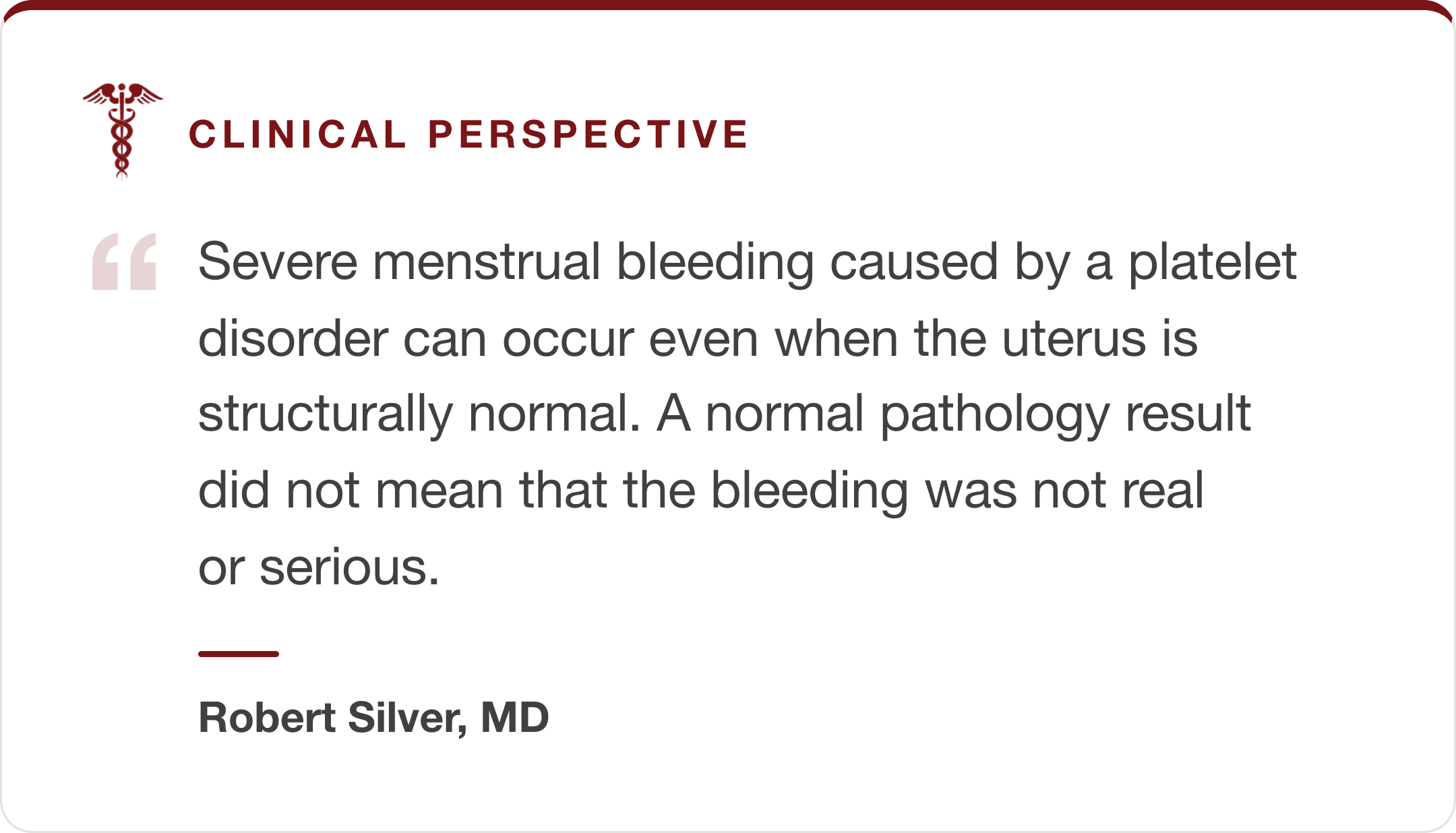
I had the surgery in May 2026, at age 43, and the pathology came back normal. Nothing structural explained why my bleeding had been so severe, even with medication.
My hysterectomy ended one chapter of my story, but delta storage pool disorder and RUNX1-FPD remain part of my ongoing care.
What I Wish Patients and Clinicians Knew
I wish I had been taught what normal menstrual bleeding looked like. I wish the possibility of an inherited disorder had been raised earlier. And I wish I had known about the implications for family planning before I became pregnant.
In recent years, I met a father whose daughter had been diagnosed with RUNX1-FPD after her mother died of leukemia. I encouraged him to make sure his daughter had a trusted woman in her life who could help her understand what was normal. Girls with bleeding disorders especially need that baseline.
I hope families will begin to talk openly about menstrual bleeding and ensure girls understand when bleeding may need medical attention. While it wasn’t the case for me, I also hope clinicians will look beyond a “normal” platelet count when a patient’s bleeding is unusual, listen when a patient says that bleeding is disrupting her life, and continue searching for answers when the first tests do not explain what is happening.
Recognizing the clues earlier can help the next girl or woman reach an accurate diagnosis and receive appropriate care much sooner than I did.
Make an Impact
We are grateful to Christina for sharing her story so openly. By speaking up, she is helping women in our community today and girls who may face similar questions in the future.
If you are a woman with RUNX1-FPD, your experience can help build a clearer picture of how the condition shapes women’s health.
The RUNX1 Patient Data Hub includes questions about menstrual bleeding, pregnancy, and reproductive health. Your answers help document these experiences and provide researchers and clinicians with evidence to support earlier diagnosis and better care, so fewer women wait as long for answers as Christina did.
Editor’s note: This blog is adapted from the story Christina shared during A Lifetime of Bleeding: Inherited Platelet Disorders in Women, a medical education webinar co-hosted by the RUNX1 Research Program (RRP) and the Foundation for Women & Girls with Blood Disorders on September 17, 2026. It also includes clinical perspectives condensed from presentations by Hilary Whitworth, MD, MSCE (Children’s Hospital of Philadelphia) and Robert Silver, MD (University of Utah).
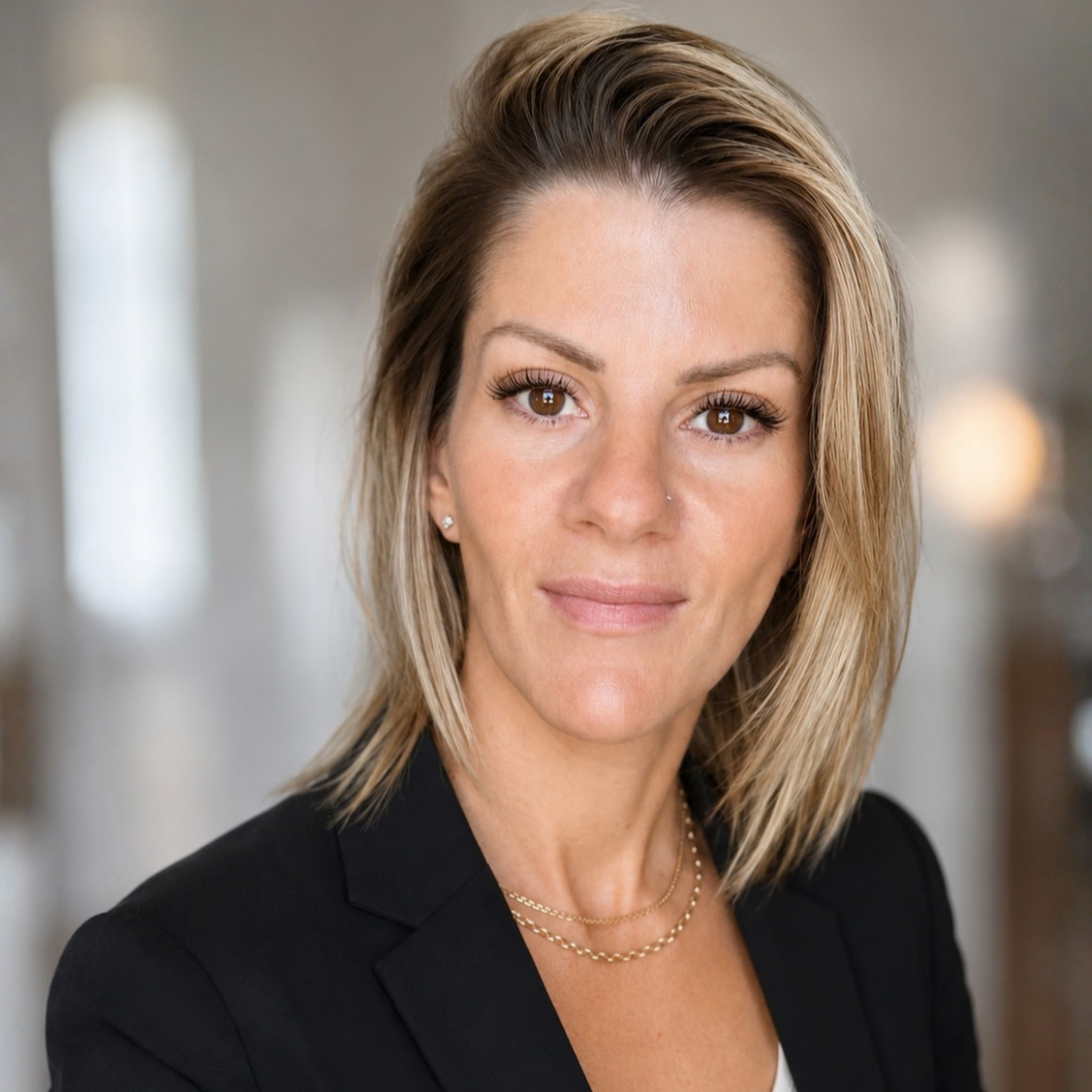
About the Author
Christina Timleck is a RUNX1-FPD patient and mother from Alberta, Canada. She works as a Contract Coordinator for her local health authority and is passionate about raising awareness of RUNX1-FPD and advocating for people living with inherited bleeding disorders. Drawing on her own experiences, Christina is particularly passionate about raising awareness of the unique challenges women with bleeding disorders face throughout their lives.
Have a story of your own to share? We’d love to hear from you about becoming a guest author.