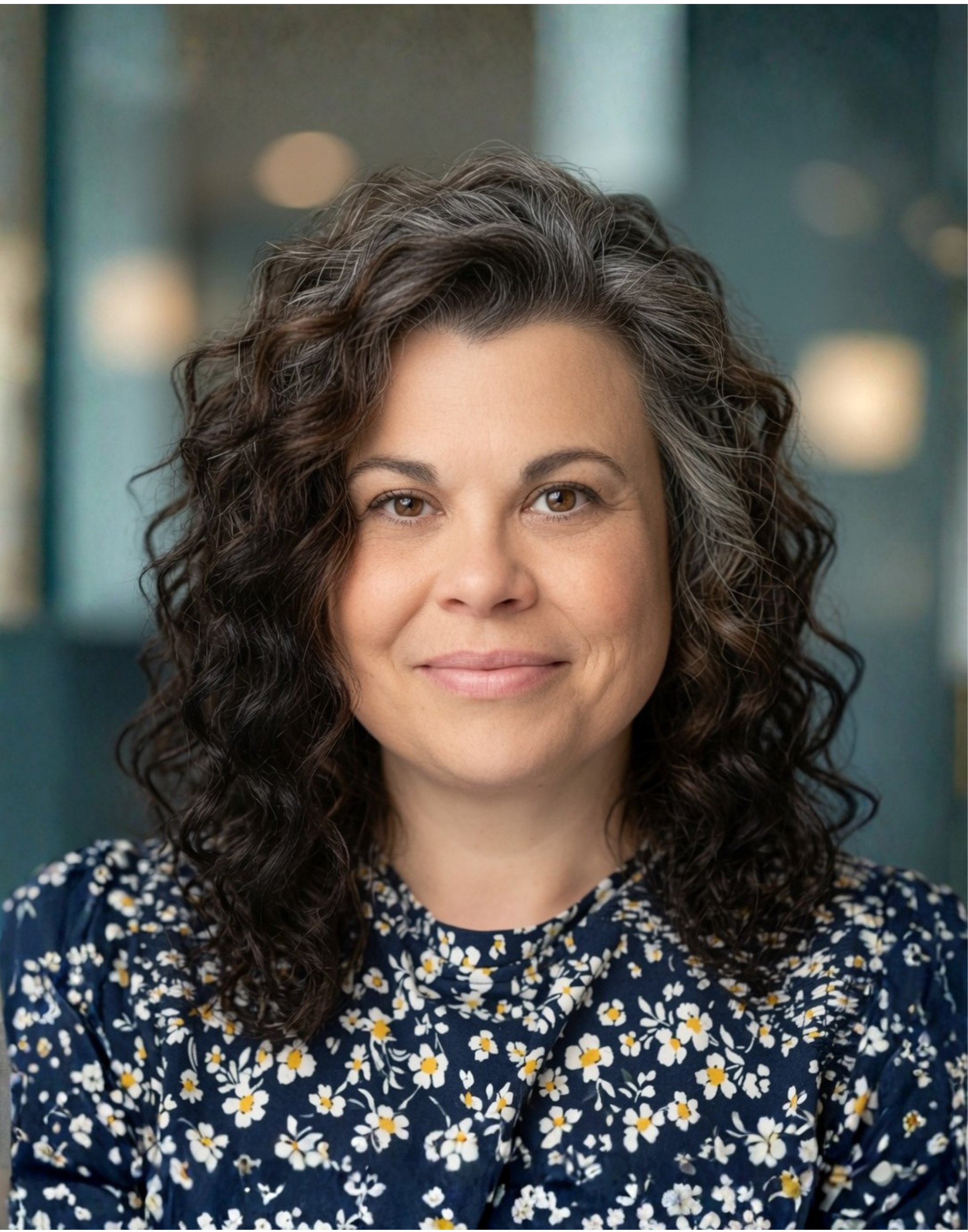
By Stacie Shoemaker
For a long time, I didn’t know that RUNX1 familial platelet disorder (RUNX1-FPD) was part of my story.
I knew something wasn’t right. I had low platelets. There were questions. There were tests. And eventually, while doctors were looking for an explanation for something that seemed relatively simple (my low platelet count), they found something much bigger.
The doctor called me as he was opening the results. He said, “Oh my God.” Twice. Then he told me this discovery could explain my entire life.
They had found a mutation in my RUNX1 gene. Suddenly, something that had been invisible my entire life had a name.
RUNX1. Familial platelet disorder. An increased risk of certain blood cancers. My diagnosis arrived typed in all capitals, like it was trying to intimidate me on sight.
But as I tried to understand what it meant, I realized something. Sometimes science gives us the facts, but we need a picture to help our hearts understand them.
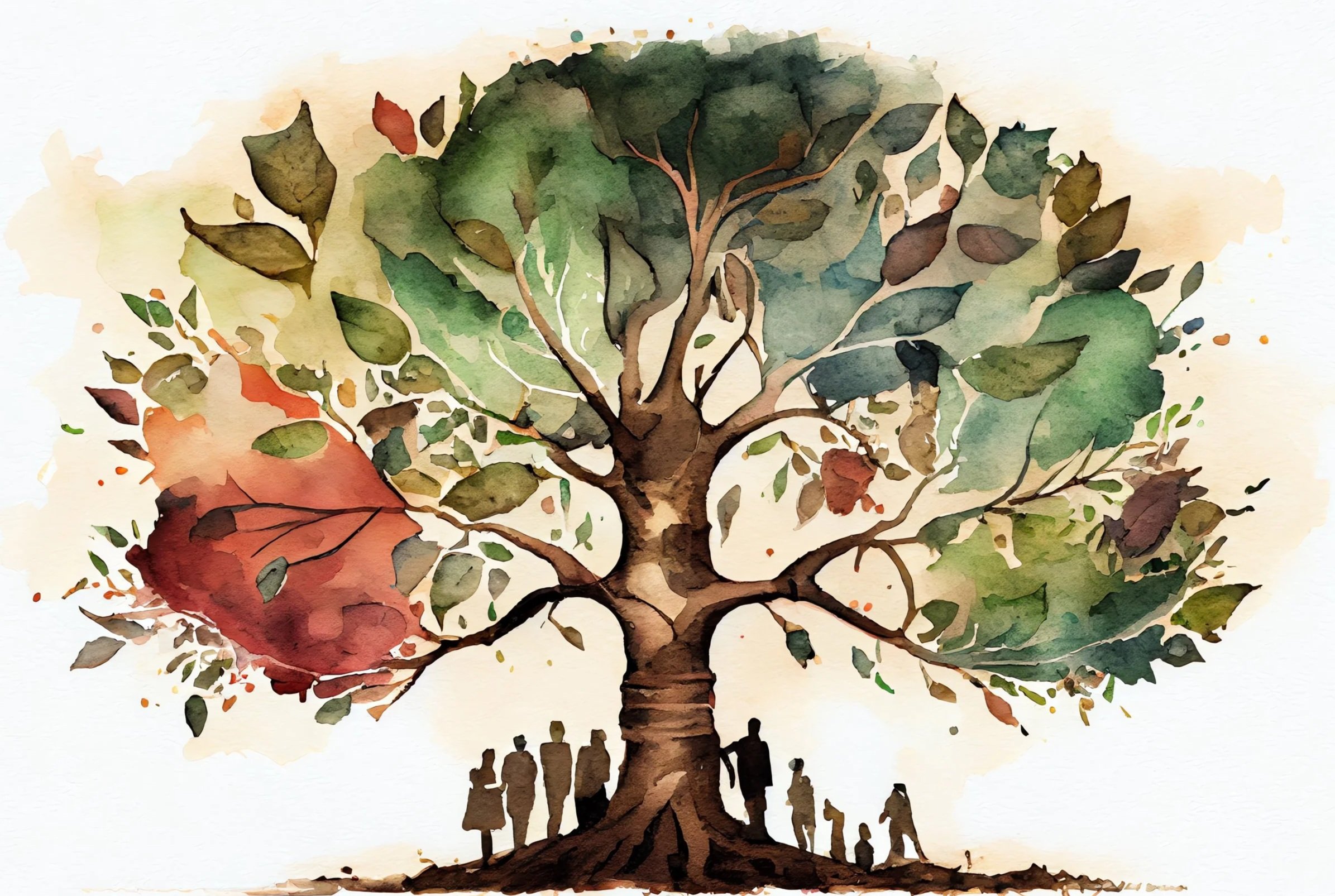
So I started thinking about a tree.
Imagine a beautiful forest. Somewhere in that forest stands a tree. That tree looks like all the others. It grows. It produces leaves. It stands through the seasons. From the outside, you might never know that anything is different about it.
But at some point, that tree was struck by lightning.
It didn’t necessarily fall. The forest didn’t catch fire. The tree is still standing. It is still alive. It is still capable of growing. But something fundamental happened to it.
That is how I think about RUNX1-FPD.
RUNX1 helps regulate blood cell development and guide those cells as they grow and mature. When it doesn't function normally, the blood system can become more vulnerable.
For those of us born with a RUNX1 mutation, it’s almost as though one of the most important trees in our blood-forming forest was struck by lightning before we ever knew it was there.
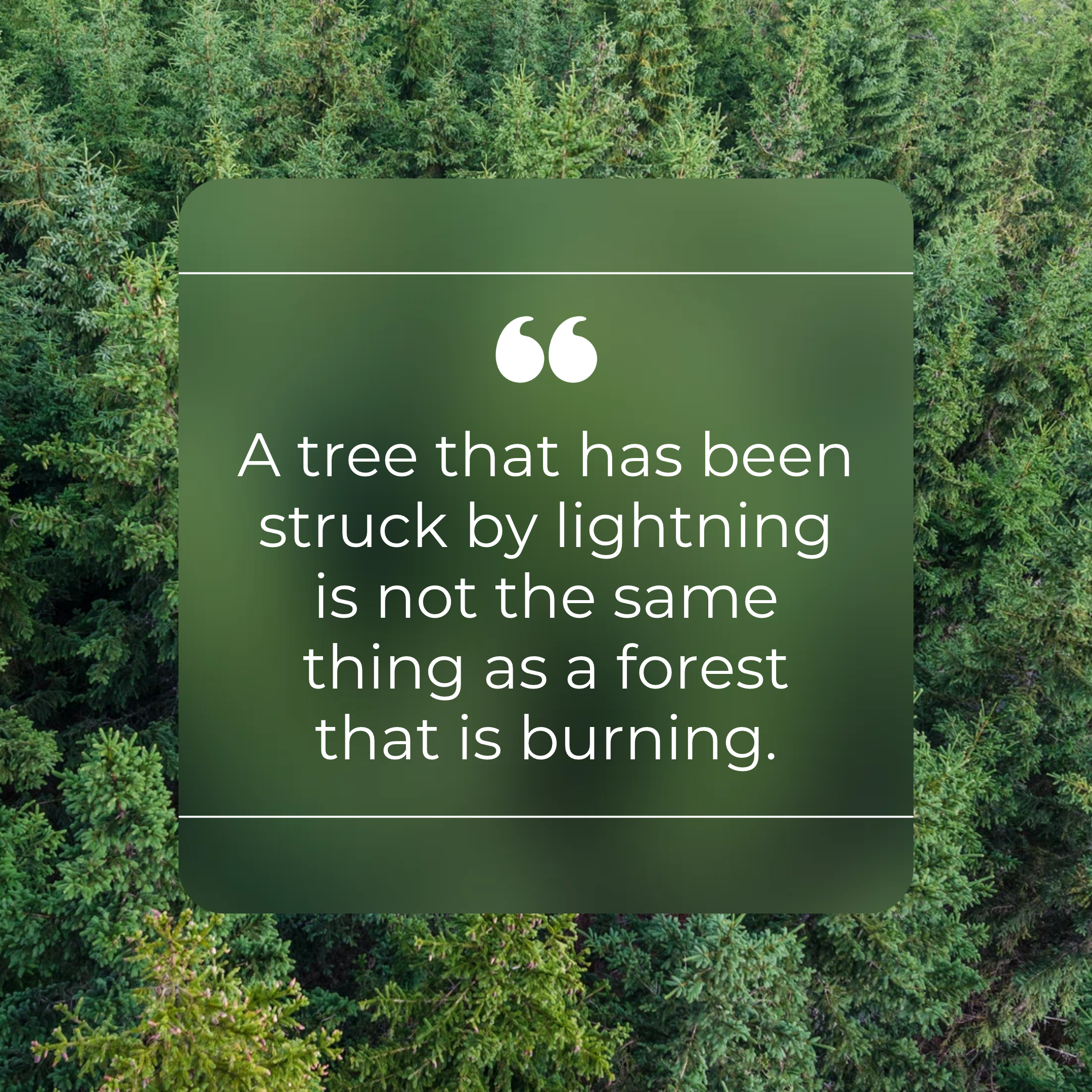
But here’s the part I think is so important: A tree that has been struck by lightning is not the same thing as a forest that is burning. Having RUNX1-FPD does not mean you have leukemia. It does not mean it’s inevitable. It means there is a vulnerability.
And that distinction matters.
Because when you are handed a genetic diagnosis that comes with the words “increased cancer risk,” it can be very easy to stop seeing yourself as a person and start seeing yourself as a statistic.
I don’t want to live that way. I don’t think any of us should. We are more than our mutation. We are more than our platelet counts. We are more than the percentage attached to our risk.
We are people. We are mothers and fathers. Sons and daughters. Brothers and sisters. Friends. Professionals. Dreamers.
People with plans. People with faith. People who still have a lot of living to do.
When Another Storm Comes
And here’s where the tree analogy gets even more interesting. Sometimes a tree already struck by lightning experiences another storm. Over time, additional genetic changes can develop in blood cells. Unlike the RUNX1 mutation we were born with, these changes are acquired, not inherited.
In my case, one of those additional changes is a mutation in a gene called NRAS. Some acquired mutations can affect how blood cells grow and behave, potentially contributing to blood cancer development.
It's almost like another lightning strike hitting an already vulnerable tree. And that's why research matters so much.
Because we need to understand the forest. We need to understand what happens before the storm. We need to understand what happens after the first strike. We need to understand which additional changes matter and which ones don’t. What signals we should be watching. And, perhaps most importantly, how we can intervene before a second strike becomes a fire.
Finding Our Way Together
None of us should have to navigate this forest alone.
There are patients who have been living with RUNX1-FPD for decades. There are families who have lost loved ones. There are people who are newly diagnosed and terrified. Parents wonder what this means for their children. Doctors and researchers are working to understand something that is still incredibly rare.
And there are people like me standing somewhere in the middle of it all, asking questions. A lot of questions.
Asking questions is not being difficult. Advocating for yourself is not being difficult. Seeking another opinion is not being difficult. Wanting to understand your own biology is not being difficult.
Sometimes, when something in the back of your mind keeps saying, “Something isn’t right,” you have to keep going. You have to keep asking. You have to keep learning. You have to keep advocating.
Because your life is worth the questions. Your family is worth the questions. And the next generation is worth the questions.
Choosing Our Path
I also believe we need something beyond science. We need hope. For me, that is faith. My faith doesn’t mean I don’t have fear. It means I don’t have to face fear alone. There are days when I don’t know what the next chapter holds. Some days I have more questions than answers. But I remind myself: I am still standing. That tree is still standing.
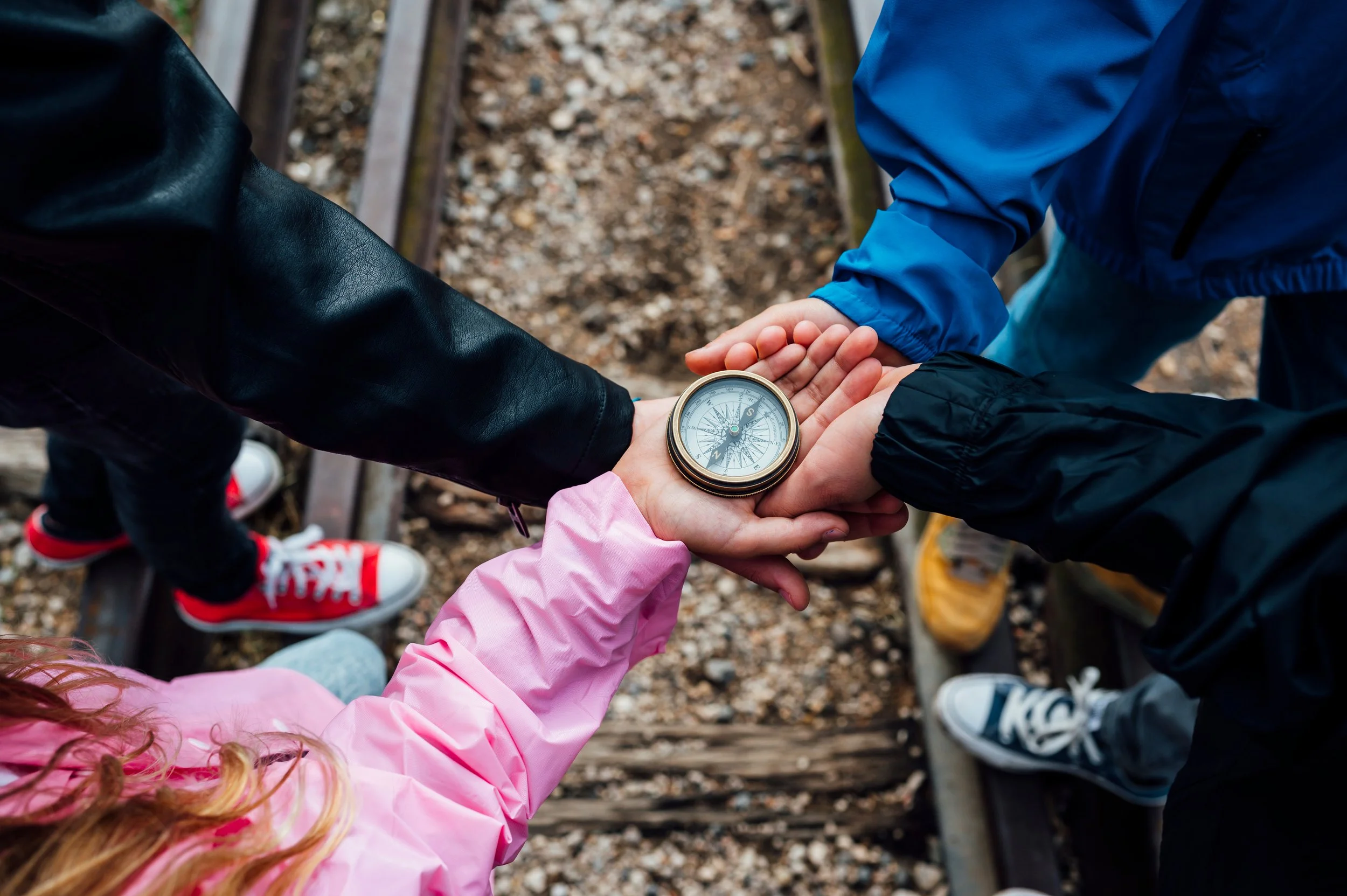
And maybe that’s what I want you to remember. We didn’t choose the lightning. We didn’t choose the mutation. We didn’t choose this road. But we can choose what we do with the road we’ve been given.
We can choose to learn. We can choose to advocate. We can choose to participate in research. We can choose to fund research. We can choose to raise awareness. We can help make RUNX1-FPD a condition more doctors recognize. We can work together to help ensure the next person who walks into a doctor's office with unexplained low platelets doesn't spend years wondering why.
And maybe one day, someone will be diagnosed with RUNX1-FPD and instead of hearing, “We’ve never seen this before,” their doctor will say, “I know exactly what this is. And here’s what we’re going to do.”
That is the future I want. Not a future defined by fear. A future defined by knowledge. By better monitoring. By better treatments. By better research. By earlier understanding. And ultimately, by hope. Because maybe the goal isn’t to pretend the lightning never struck. Maybe the goal is to understand that tree so well, to care for that forest so well, that when the next storm comes, we are ready.
That is what I believe we can be. Different trees. Different stories. Different journeys. But standing together as a forest. Reminding each other: You are not your mutation. You are not your risk percentage. You are not your diagnosis. You are a whole human being with a life still unfolding.
And as for me? I’m going to keep asking questions. I’m going to keep learning. I’m going to keep advocating. I’m going to keep sharing my story. I’m going to keep believing that there is more to discover.
And I’m going to keep moving forward with genetics in my story, grit in my heart, and grace guiding my steps.
Because the lightning may have struck the tree. But the tree is still standing.
About the Author
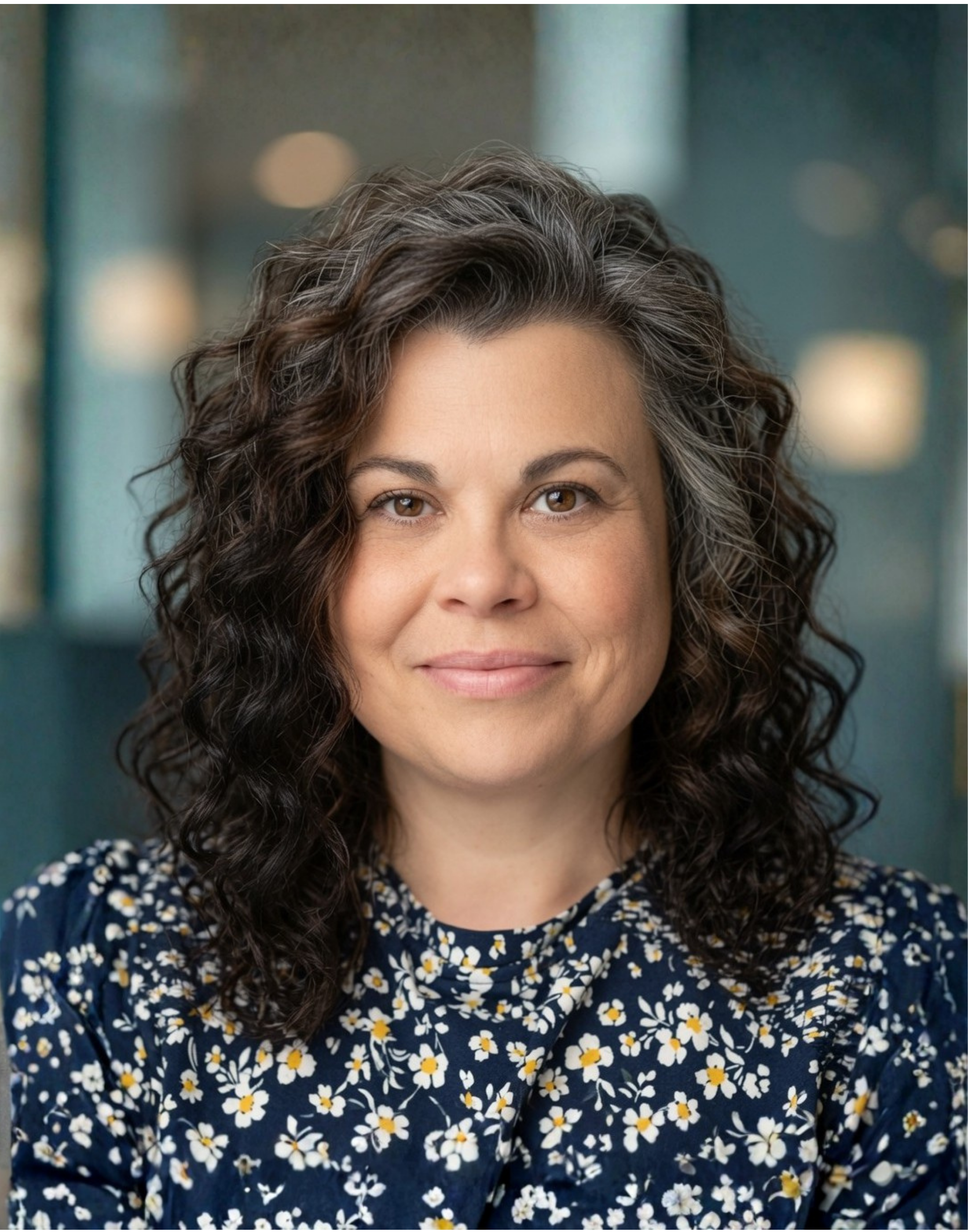
Stacie Shoemaker is an individual living with RUNX1-FPD. After years of unexplained symptoms, she received her diagnosis in 2026 and became the first in her family to learn the genetic cause. She now shares her story publicly to raise awareness, offer hope to others walking a similar path, and strengthen the patient community. Based in rural Ohio, Stacie works in nonprofit donor development and finds joy in photography, gardening, and her faith.
Ready to share your own story? We’d love to hear from you about becoming a guest author.