
By Dr. Kelly Bolton & Dr. Jie Liu
Key Takeaways
Inherited genetic variants, such as those in RUNX1-FPD, can influence which blood cell types grow faster.
When new genetic variants arise in the blood over time, termed clonal hematopoiesis (CH), the combination with inherited genetic variants increases the risk of blood cancer.
For individuals with RUNX1-FPD, these findings support careful monitoring and participation in ongoing studies that track changes over time.
When Dr. Bolton met with the RUNX1-FPD clinician community this year as a presenter for RRP’s “Hereditary Hematologic Malignancies: Not That Rare” webinar series, she shared findings from our research team’s most recent study published in Nature Genetics.
These discoveries help us better understand why blood cancers develop in some people but not in others, an insight that is highly relevant for the entire RUNX1 community. Here is a closer look at what we learned.
Study Breakdown: What We Found
To better understand inherited blood-cancer risk, we analyzed genetic and health data from more than 730,000 people, including participants in the UK Biobank. Our goal was to learn how inherited DNA differences influence clonal hematopoiesis (CH), a process in which blood-forming stem cells acquire mutations, and certain cells begin to grow faster than others.
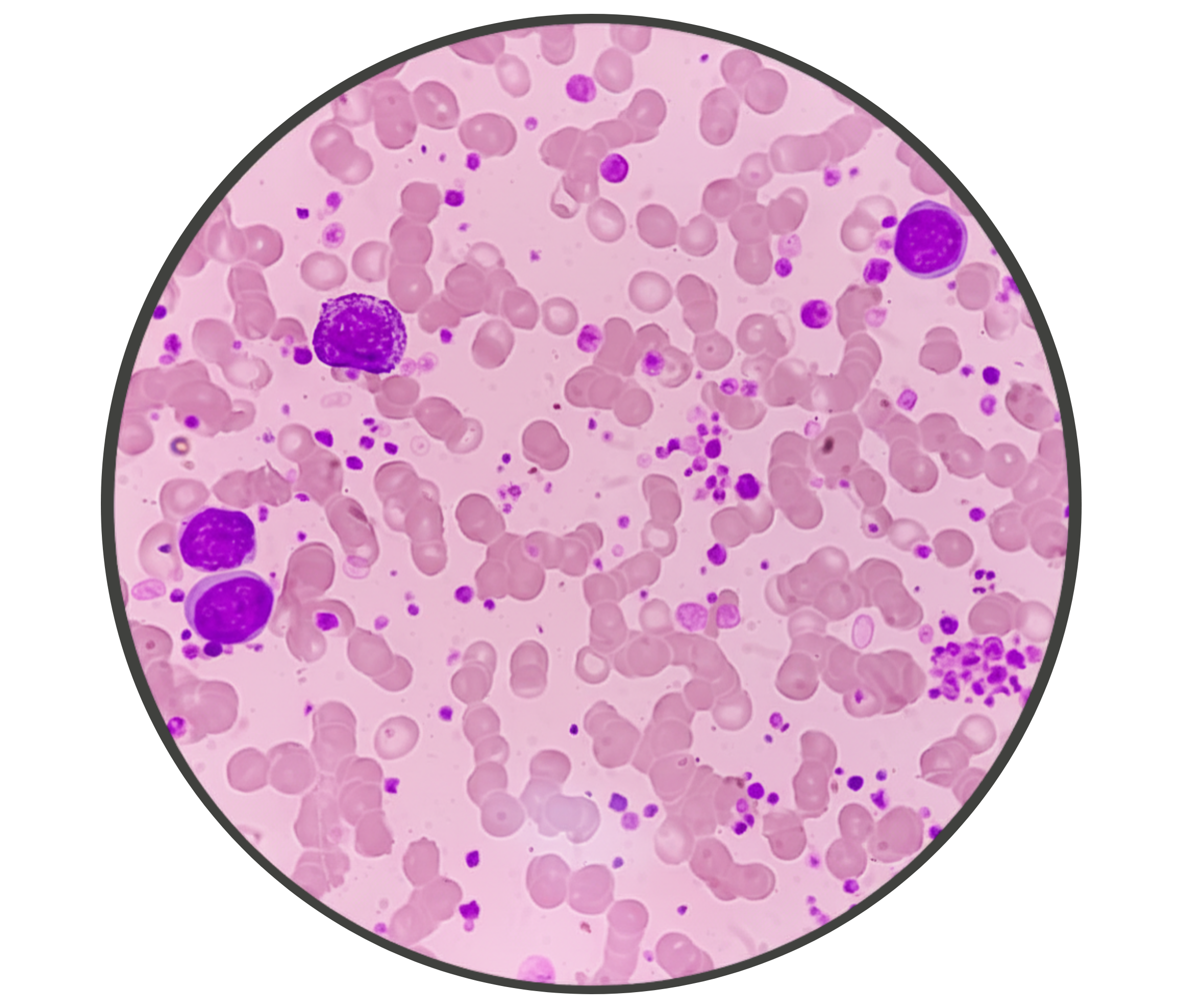
Microscope image of blood cells showing differences in cell types and distribution.
CH becomes more common with age, and while often harmless, some CH patterns are associated with blood cancer risk. Key findings include:
About 9% of individuals carried an inherited genetic change that increases cancer risk.
The most common changes were in the genes CHEK2 and ATM, found in about 1% to 1.5% of people.
People with certain inherited variants showed distinct patterns of new mutations that developed later in life, suggesting that inherited genetics shape how blood cells change over time.
Inherited variants that increased the likelihood of CH also increased the likelihood of developing blood cancer, showing that CH often acts as the “bridge” between inherited risk and cancer.
Across all participants, we identified 22 inherited variants associated with an increased likelihood of developing CH. Some, such as RUNX1, CHEK2, and ATM, were already known to elevate blood-cancer risk, while others were newly discovered.
People who had both an inherited risk variant and CH were more likely to develop blood cancer than those with only one of those factors.
Together, these results show that inherited and acquired genetic changes interact in shaping a person’s overall risk. This supports what was discussed during the webinar: studying CH is critical for understanding how blood cancers begin and for identifying opportunities to intervene earlier.
Why This Matters to RUNX1-FPD Families
These findings help explain a common question within RUNX1-FPD families: why do some individuals with the same RUNX1 variant develop leukemia while others do not?
Everyone with RUNX1-FPD begins life with an inherited variant, but what happens afterward can differ widely. Some individuals acquire additional mutations over time, and how those new cells grow and behave influences whether they remain stable or progress. Some inherited variants may not lead to additional mutations, but when new ones do arise, they may expand more rapidly, increasing risk.
By understanding how inherited and acquired mutations interact, we can better inform monitoring approaches and move toward early-intervention strategies tailored to individuals with elevated risk.
Why Germline Testing Still Matters
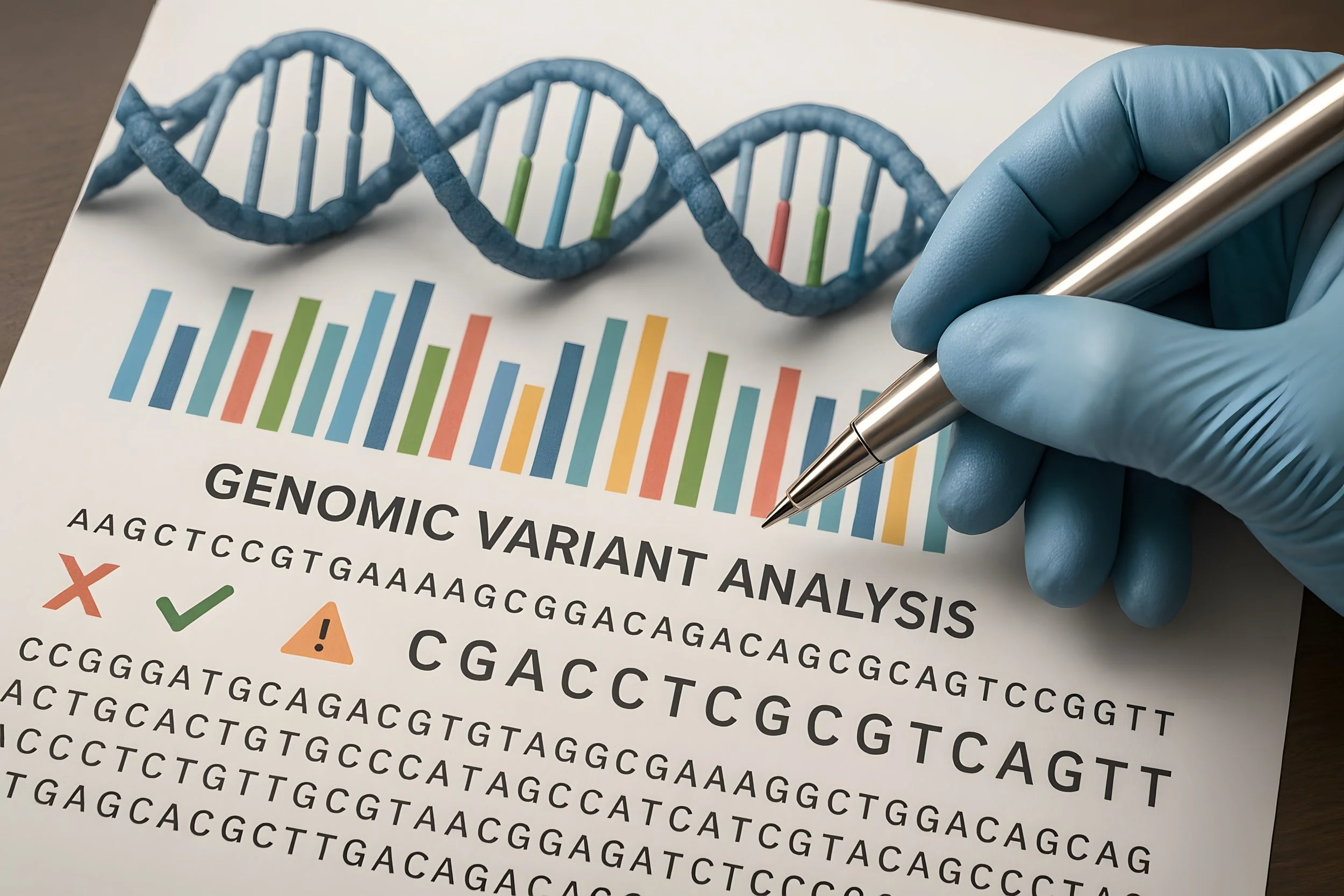
About 10–15% of people with blood cancers carry an inherited variant that influences their risk. Germline testing can:
Reveal genetic factors that contribute to a diagnosis
Inform treatment decisions
Help identify family members who may benefit from monitoring
Although most RUNX1-FPD families already know their genetic diagnosis, progress in this area raises awareness across the clinical community and helps ensure that inherited blood disorders are recognized and managed appropriately.
Looking to the Future
Options for intervening before a blood cancer develops are currently limited but are beginning to expand. Early clinical trials for people with CH and unusual blood counts (sometimes called CCUS) are showing promising results, particularly for those with specific mutations.
Longer-term strategies may include:
Safer bone-marrow transplant approaches that could be used preventively
Therapies designed to reduce the growth advantage of pre-cancerous blood cells
These efforts depend on early detection, particularly identifying individuals who have not been diagnosed with blood cancer but who may be at higher risk.
Final Thoughts
We are still learning how best to apply this knowledge in clinical practice, but the progress so far is encouraging. Continued research and collaboration across the clinical and patient community will be essential.
Every person who shares data or samples adds to our understanding of RUNX1-FPD. Together, these contributions help us study the earliest stages of blood cancer and move closer to true prevention.
We are deeply grateful to every patient and family who participates in this work. The progress we are making is because of you.
If you already know that you have RUNX1-FPD, here are some questions to discuss with your care team:
How might these findings about CH apply to me?
Should I be monitored for CH or other blood-cell changes during routine follow-up?
Are there ongoing studies, such as the NIH RUNX1 Study or the RUNX1 Patient Data Hub, that might be appropriate for me?
If CH or a new mutation is detected, what would that mean for my care?
How might these findings affect monitoring for family members who also carry RUNX1 variants?
About the Authors
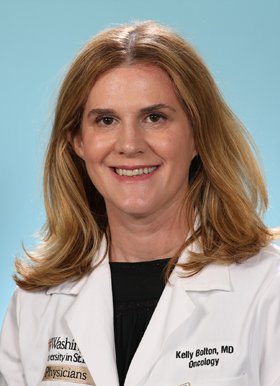
Kelly Bolton, MD, PhD, is an Assistant Professor of Medicine in the Division of Oncology at Washington University School of Medicine in St. Louis. She is a physician-scientist with a background in medical oncology and genetic epidemiology. Her research focuses on how inherited genetic variation, environmental factors, and acquired mutations interact in shaping the earliest stages of cancer development.
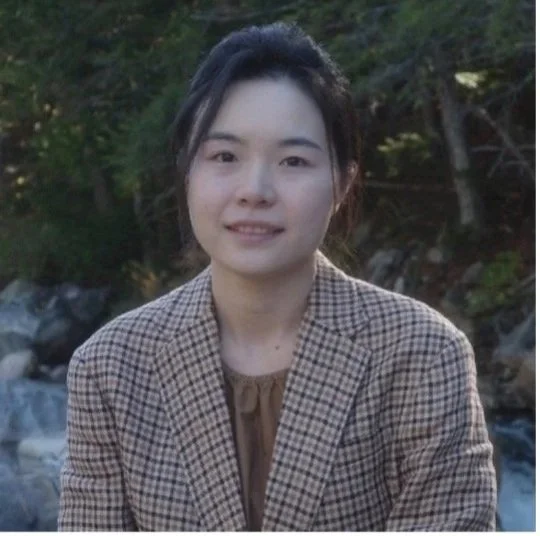
Jie Liu, MBBS, MPH, PhD, is a postdoctoral researcher in the Kelly Bolton Lab at Washington University in St. Louis School of Medicine. Her work integrates germline and somatic genomic analyses to understand cancer predisposition and clonal hematopoiesis, with the goal of translating these insights into molecular pathology and precision oncology.